4News -> FAQ
2026
-
05
-
20
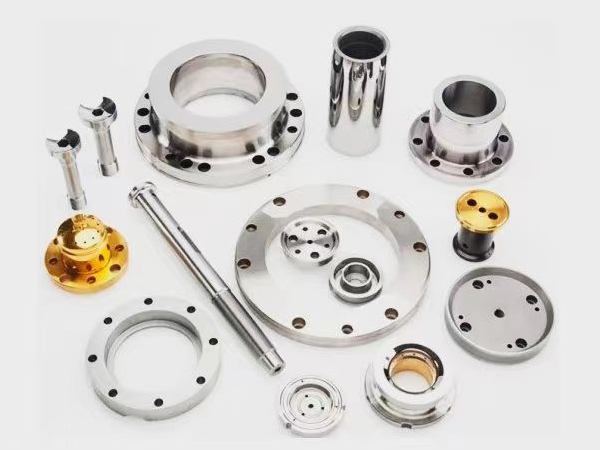
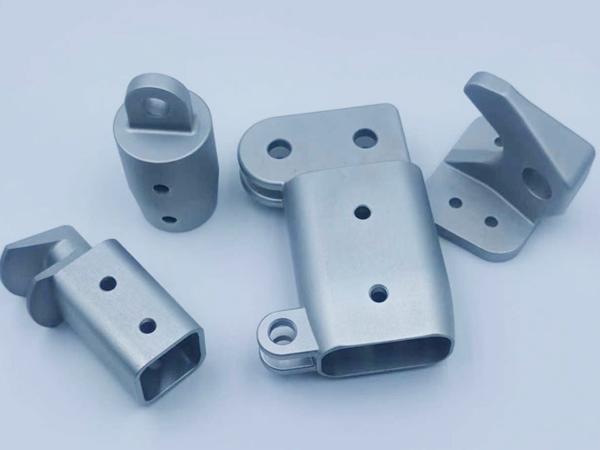
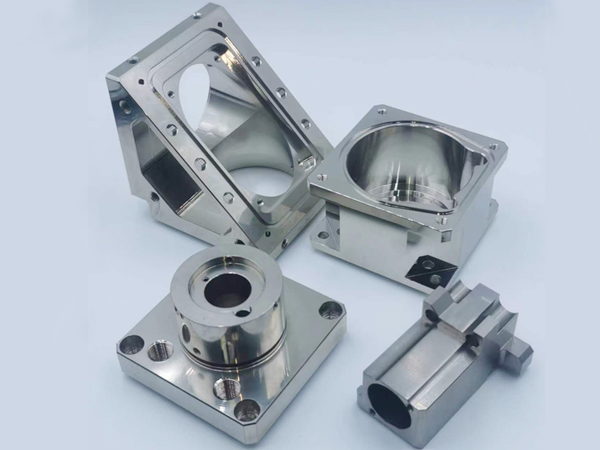
Do You Know the Characteristics of Part Machining? Part machining is very common in CNC machining factories, but most people are not very familiar with its characteristics. Therefore, a CNC machining manufacturer will briefly introduce the characteristics of part machining for you. 1. The production efficiency of CNC part machining is higher. CNC part machining can process multiple surfaces simultaneously. Compared with conventional lathe machining, it can eliminate many steps, saving time, and the quality of CNC-machined parts is also much more stable than that from conventional lathes. 2. CNC precision part machining plays an irreplaceable role in new product development. Generally speaking, through programming, parts of varying complexity can be machined, while modification and design updates only require changing the lathe program, which can greatly shorten the product development cycle.
2026
-
04
-
10
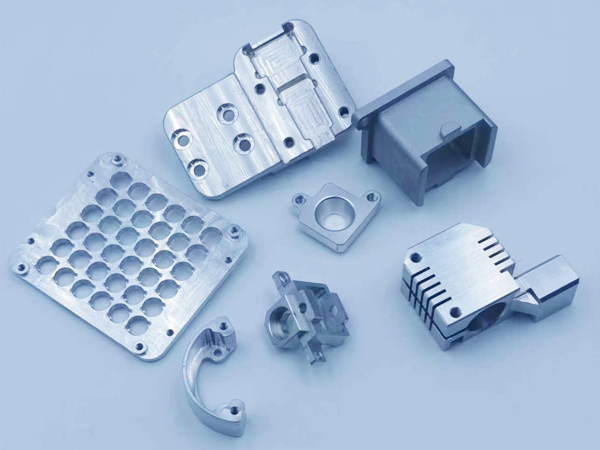
A Brief Discussion on the Six Key Points of CNC Machining Factories Do you know the six key points of CNC machining factories? Next, a CNC machining manufacturer will briefly introduce the six key points for you.In the machining process of a CNC machining center (generally, CNC machining refers to computer numerically controlled precision machining, including CNC machining lathes, CNC machining milling machines, CNC machining boring and milling machines, etc.), one point is critical — when programming and operating the machine, it is absolutely necessary to prevent the CNC machining center from experiencing collisions. Since CNC machining centers are very expensive, ranging from hundreds of thousands to millions of yuan, repair is difficult and costly. However, collisions follow certain patterns and can be avoided, mainly by paying attention to the following points.
2026
-
03
-
14
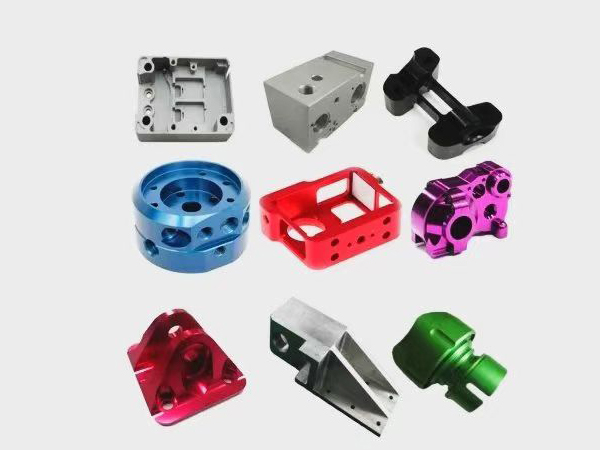
5-Axis Machining for Mold Components — Widely Applied Across Industries As technology continues to advance, an ever-growing number of high-tech products are entering the market. Most of these products rely on the precise assembly of machined components to function. Modern manufacturing industries adopt component-based assembly methods to produce a wide range of instruments and equipment. Among these, 5-axis machining for mold components stands out as a prime example. Its applications span nearly every sector, and it integrates seamlessly with mechanical products across diverse industries. So, in which industries is 5-axis mold component machining used? Below, we provide a brief overview.
2026
-
02
-
23
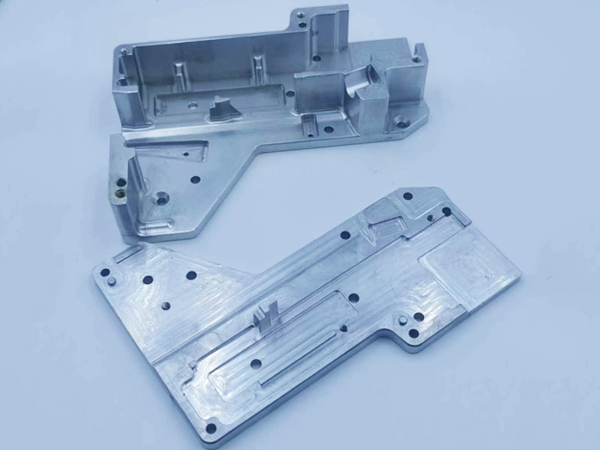
Detailed Requirements and Classification of Mold Component Machining Concept and Principle of Mold Life: Mold life refers to the number of production cycles (stamping strokes, molding cycles) a mold can achieve while ensuring the quality of the produced parts. It includes the total number of qualified parts formed after repeated sharpening and replacement of wearing parts, until the main part of the mold needs to be replaced.Mold Service Life: The number of cycles the mold has already produced. Mold failure is divided into abnormal failure and normal failure. Abnormal failure (premature failure) means the mold becomes unworkable before reaching the generally accepted life expectancy at a certain industrial level. Forms of early failure include plastic deformation, fracture, severe localized wear, etc. Normal failure refers to the mold being unable to continue working after mass production use due to slow plastic deformation, relatively uniform wear, or fatigue fracture.
2026
-
01
-
18
What Types of Products Are Manufactured on CNC Machines?Do you know what products CNC machines primarily produce? Below, our CNC machining shop provides a brief overview.1. Automotive & Transportation: Engine and drivetrain components for automobiles and motorcycles, dashboard assemblies, headlamp housings, and other precision parts.2. Home Appliances: Air conditioning units, electric heaters, vacuum cleaners, washing machines, and a wide range of small household appliances.3. Consumer Electronics & Digital Devices: Computer mice, keyboards, PC enclosure panels, MP3 and MP4 players, LCD televisions, and digital cameras.4. Telecommunications & Electronics: Display monitors, telephone handsets, mobile phones, and large-scale telecommunications switching equipment. Medical devices: X-ray machines and diagnostic equipment.
2025
-
06
-
18
CNC Machining Factory Tells You the Advantages of Turning With the continuous development of science and technology, the quality requirements for parts and components are constantly increasing. To better improve the product quality of CNC machining factories, turning processes are adopted. Next, a CNC machining factory will briefly introduce the advantages of turning for you.1. CNC turning can machine parts that require multiple operations after a single clamping and positioning.2. High machining accuracy, stable and reliable machining quality.
Overall6
Total Page1 |
Currently1
9First
7Previous page
Next Page8
Finally:
Skip