4News
2025
-
10
-
27
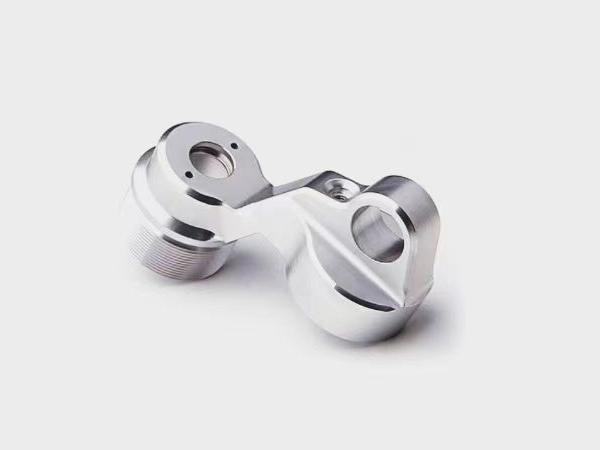
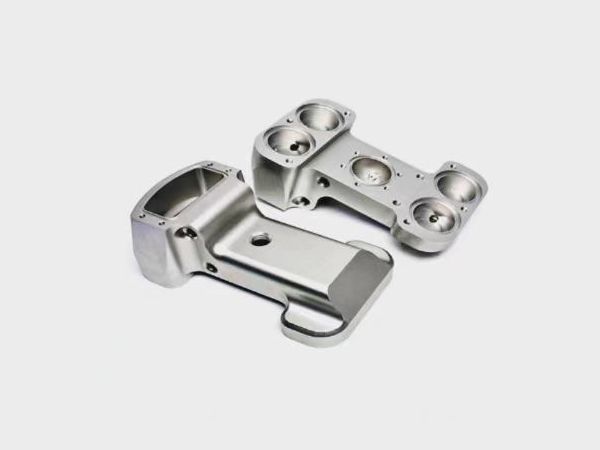
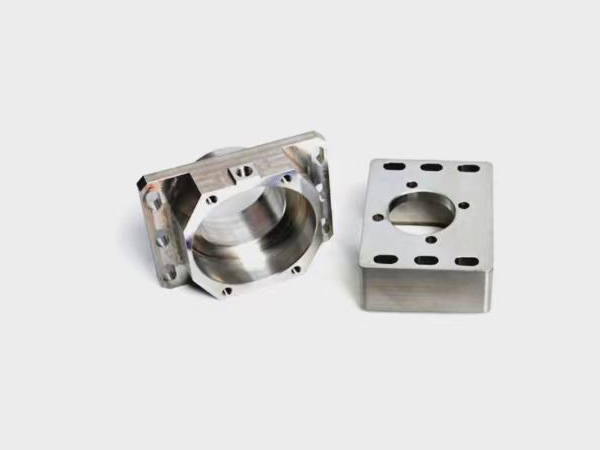
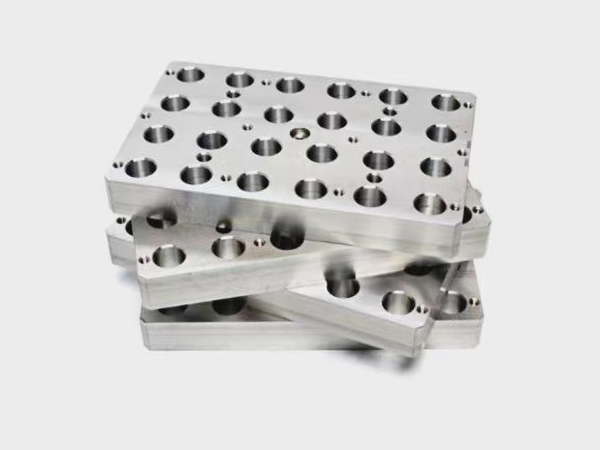
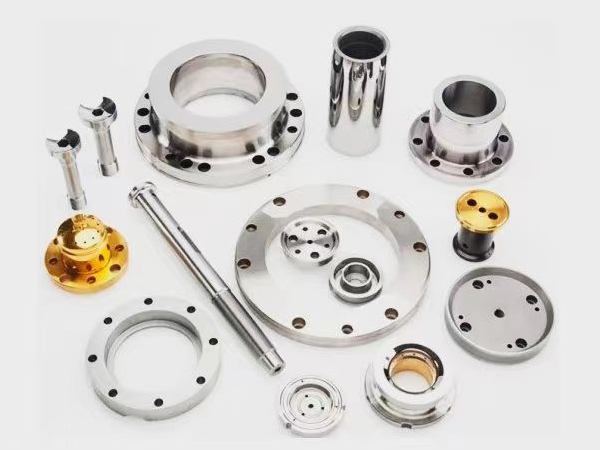
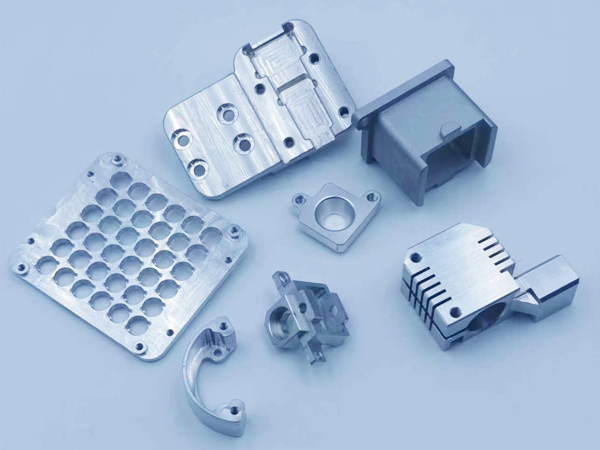
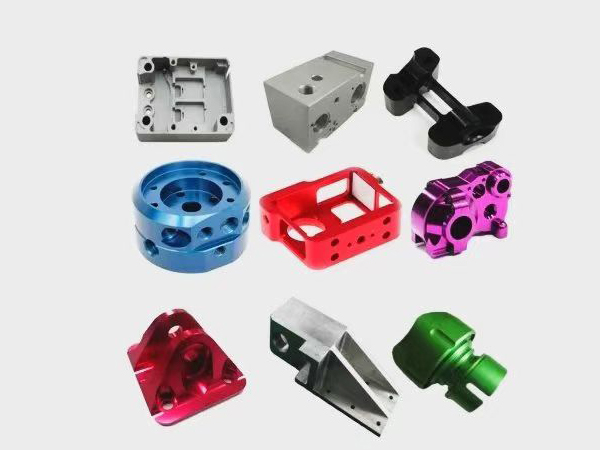
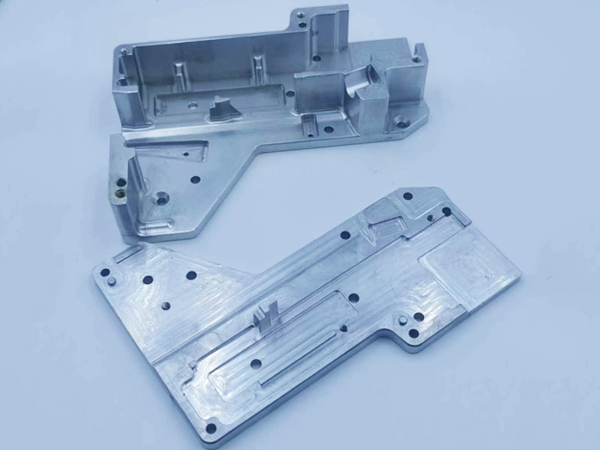
Five-Axis Simultaneous CNC Machining: All Advantages Rely on Output! CNC machining centers are mechanical processing equipment that integrate a range of high and new technologies, and their position in the market should not be underestimated. Their development represents a country's design and manufacturing level, and as such, they are highly valued in industrial circles both domestically and internationally. For machining technicians, five-axis simultaneous machining is a processing technology with relatively high technical content and precision. Without a certain level of professional expertise, it is completely impossible to meet its processing standards. With the development of the times, various industries have gradually come to realize the difficulty of machining certain parts, and CNC machining centers have become their inevitable choice. Five-axis simultaneous CNC machining has also gradually become the mainstream direction of modern machine tool development and is widely used in mechanical manufacturing. Its output has highlighted its main advantages, so what are its main advantages? Next, the editor will briefly introduce them for you.
2025
-
08
-
29
The Wide-Ranging Applications of 5-Axis Simultaneous CNC Machining CNC machining is a versatile manufacturing platform that consolidates multiple operations into a single setup. It typically encompasses precision machining, CNC turning, CNC milling, and CNC boring-milling operations. Unlike conventional 5-axis machining, it can complete multiple processes in a single clamping arrangement. Moreover, it is capable of machining workpieces with complex geometries, multiple process requirements, and tight tolerances. It also expands the machining envelope by allowing multiple surfaces to be completed in a single setup. This technology is primarily used to machine housing-type components, complex curved-surface parts, irregular-shaped components, disc-type parts, and similar workpieces. Its key advantages include a significant reduction in tooling and fixture requirements — complex part geometries do not demand elaborate fixturing. It also delivers consistent part quality, high dimensional accuracy, and excellent repeatability, meeting the stringent requirements of aerospace component manufacturing. So, what industries and applications does 5-axis simultaneous CNC machining serve? Below, we provide a brief overview.
2025
-
07
-
15
What Should You Pay Attention to When CNC Machining Aluminum Parts?When CNC machining aluminum parts, attending to certain key details can help prevent quality issues and improve production efficiency. What should you keep in mind before starting CNC operations?1. For new molds, the machining drawing must meet all requirements and data must be clearly presented. New mold drawings require a supervisor's signature, and all fields on the drawing must be completed.2. The workpiece must carry a QC-approved identification stamp from the Quality Department.3. Upon receiving the program sheet, verify that the workpiece datums align with the drawing datums.
2025
-
06
-
20
Classification of CNC Machining Centers A CNC machining center is an automated machine tool equipped with a programmed control system. Due to the increasing demands for intelligence and automation in the manufacturing industry, CNC machining centers are developing rapidly, especially in South China and East China. According to statistics, the annual number of CNC machine tools used for mobile phone housing processing is in the order of hundreds of thousands, representing a huge market!1. Classification of Machining Centers Machining centers are generally classified according to the spatial orientation of the spindle into vertical machining centers, horizontal machining centers, gantry-type machining centers, and universal machining centers. The spatial configuration where the spindle is in a vertical state is called a vertical machining center, and the configuration where the spindle is in a horizontal state is called a horizontal machining center.Vertical Machining Center: The structure is mostly a fixed column type, with a rectangular worktable, suitable for processing plate, cover, and slab-type parts.Vertical machining centers offer convenient clamping, easy operation, convenient observation of the machining process, and easy program debugging. However, affected by the column height and the tool changing mechanism, they cannot process parts that are too tall. They are relatively low in price.
2026
-
05
-
20
Do You Know the Characteristics of Part Machining? Part machining is very common in CNC machining factories, but most people are not very familiar with its characteristics. Therefore, a CNC machining manufacturer will briefly introduce the characteristics of part machining for you. 1. The production efficiency of CNC part machining is higher. CNC part machining can process multiple surfaces simultaneously. Compared with conventional lathe machining, it can eliminate many steps, saving time, and the quality of CNC-machined parts is also much more stable than that from conventional lathes. 2. CNC precision part machining plays an irreplaceable role in new product development. Generally speaking, through programming, parts of varying complexity can be machined, while modification and design updates only require changing the lathe program, which can greatly shorten the product development cycle.
2026
-
04
-
10
A Brief Discussion on the Six Key Points of CNC Machining Factories Do you know the six key points of CNC machining factories? Next, a CNC machining manufacturer will briefly introduce the six key points for you.In the machining process of a CNC machining center (generally, CNC machining refers to computer numerically controlled precision machining, including CNC machining lathes, CNC machining milling machines, CNC machining boring and milling machines, etc.), one point is critical — when programming and operating the machine, it is absolutely necessary to prevent the CNC machining center from experiencing collisions. Since CNC machining centers are very expensive, ranging from hundreds of thousands to millions of yuan, repair is difficult and costly. However, collisions follow certain patterns and can be avoided, mainly by paying attention to the following points.
2026
-
03
-
14
5-Axis Machining for Mold Components — Widely Applied Across Industries As technology continues to advance, an ever-growing number of high-tech products are entering the market. Most of these products rely on the precise assembly of machined components to function. Modern manufacturing industries adopt component-based assembly methods to produce a wide range of instruments and equipment. Among these, 5-axis machining for mold components stands out as a prime example. Its applications span nearly every sector, and it integrates seamlessly with mechanical products across diverse industries. So, in which industries is 5-axis mold component machining used? Below, we provide a brief overview.
2026
-
02
-
23
Detailed Requirements and Classification of Mold Component Machining Concept and Principle of Mold Life: Mold life refers to the number of production cycles (stamping strokes, molding cycles) a mold can achieve while ensuring the quality of the produced parts. It includes the total number of qualified parts formed after repeated sharpening and replacement of wearing parts, until the main part of the mold needs to be replaced.Mold Service Life: The number of cycles the mold has already produced. Mold failure is divided into abnormal failure and normal failure. Abnormal failure (premature failure) means the mold becomes unworkable before reaching the generally accepted life expectancy at a certain industrial level. Forms of early failure include plastic deformation, fracture, severe localized wear, etc. Normal failure refers to the mold being unable to continue working after mass production use due to slow plastic deformation, relatively uniform wear, or fatigue fracture.